
The Science
Most people have never heard of this.
Rice paddies are flooded for most of the growing season. In that waterlogged soil — starved of oxygen — microbes don't produce CO₂. They produce methane.
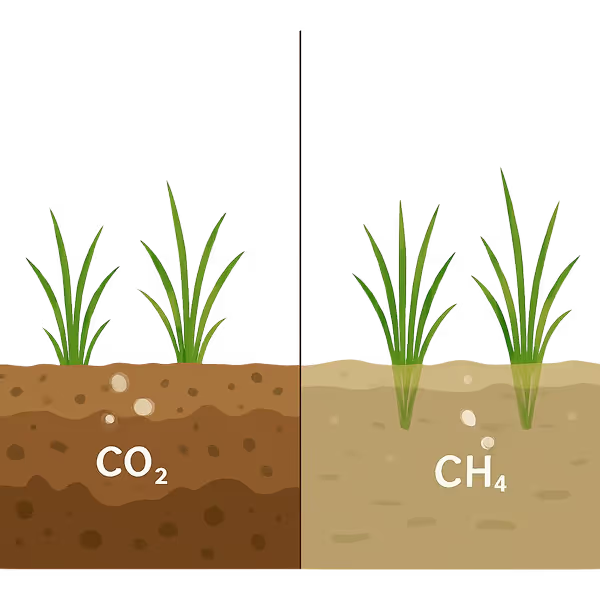
Methane is over 80 times more potent than carbon dioxide over 20 years.
And rice farming is responsible for more than 10% of global agriculture emissions, and over 50% of emissions from global croplands.
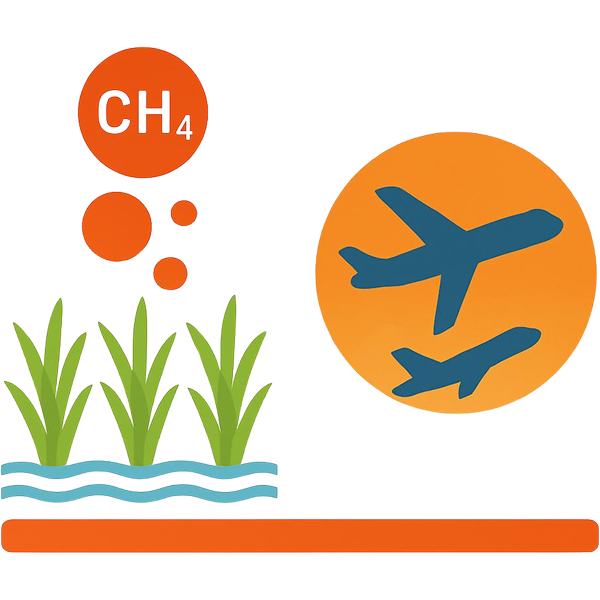
It's one of the largest unaddressed climate problems on earth.
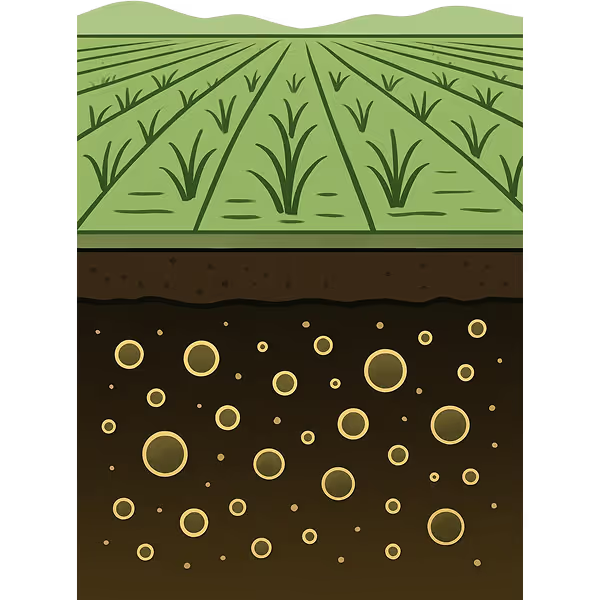
And it happens invisibly, beneath the surface, across millions of small farms.
>80x
more potent than CO₂ over 20 years
10–14%
of global agricultural emissions
140M
smallholder rice farming families affected
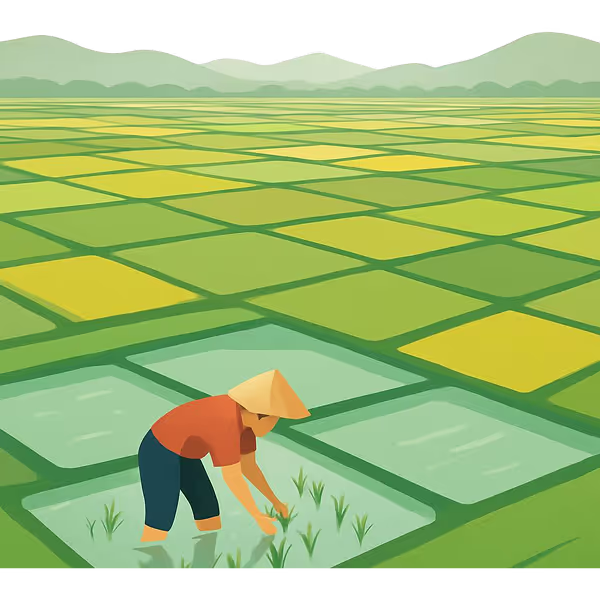
A simple change. A measureable difference.
The fix doesn't require new technology or infrastructure. It's a change in timing.
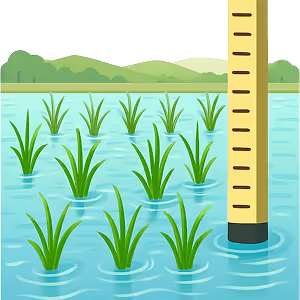
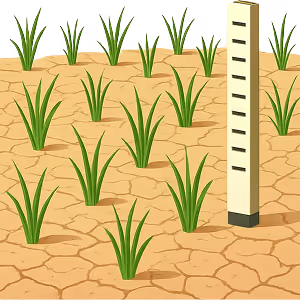
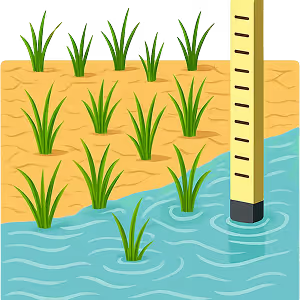
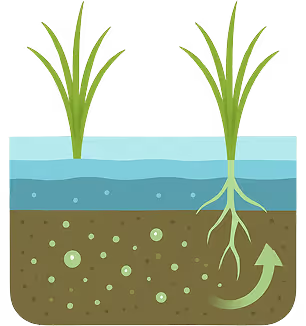
When oxygen enters the soil, methane-producing microbes go quiet. The chemistry shifts. Emissions drop by up to 65%
Good for the climate. Better for the farmer.
Lower water use cuts pumping costs while healthier soil improves moisture retention and efficiency.
Controlled irrigation maintains or improves yields with lower production costs.
Reduces groundwater contamination, runoff, and air pollution for a healthier ecosystem.
Fewer chemicals and less paddy burning mean cleaner grain and healthier air.
Higher income, credit access, and ongoing support help farmers build long-term stability.