
How Pakistan's rice farmers are fighting climate change
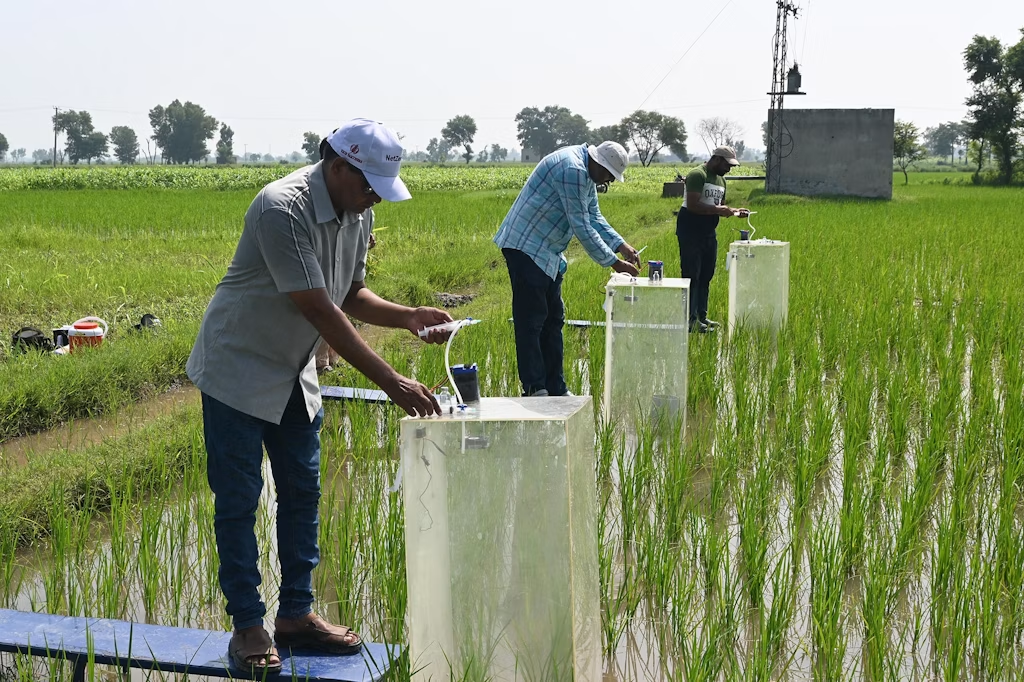
Akram Ali walks to the edge of his rice paddy in Sheikhupura, Punjab, and checks a small bamboo tube sunk into the soil. The water level has dropped below the mark. He opens the irrigation channel. In a few hours, the field will flood again, but only briefly. Then he will let it dry. Then flood. Then dry again.
What looks like a modest change to the rhythm of a working farm is generating something that reaches far beyond Punjab: a measurable, independently verified reduction in greenhouse gas emissions. It is a process known as Alternate Wetting and Drying (AWD), and it reduces water consumption by up to 30% and methane emissions by up to 50%.
"The most valuable resource in our community is water," Akram says. "We want our future generations to have access to fresh water, like we have had. So we must make sure all the farmers in our community learn about this technique, save water, and improve their crop production."
A paradox at the heart of global food production
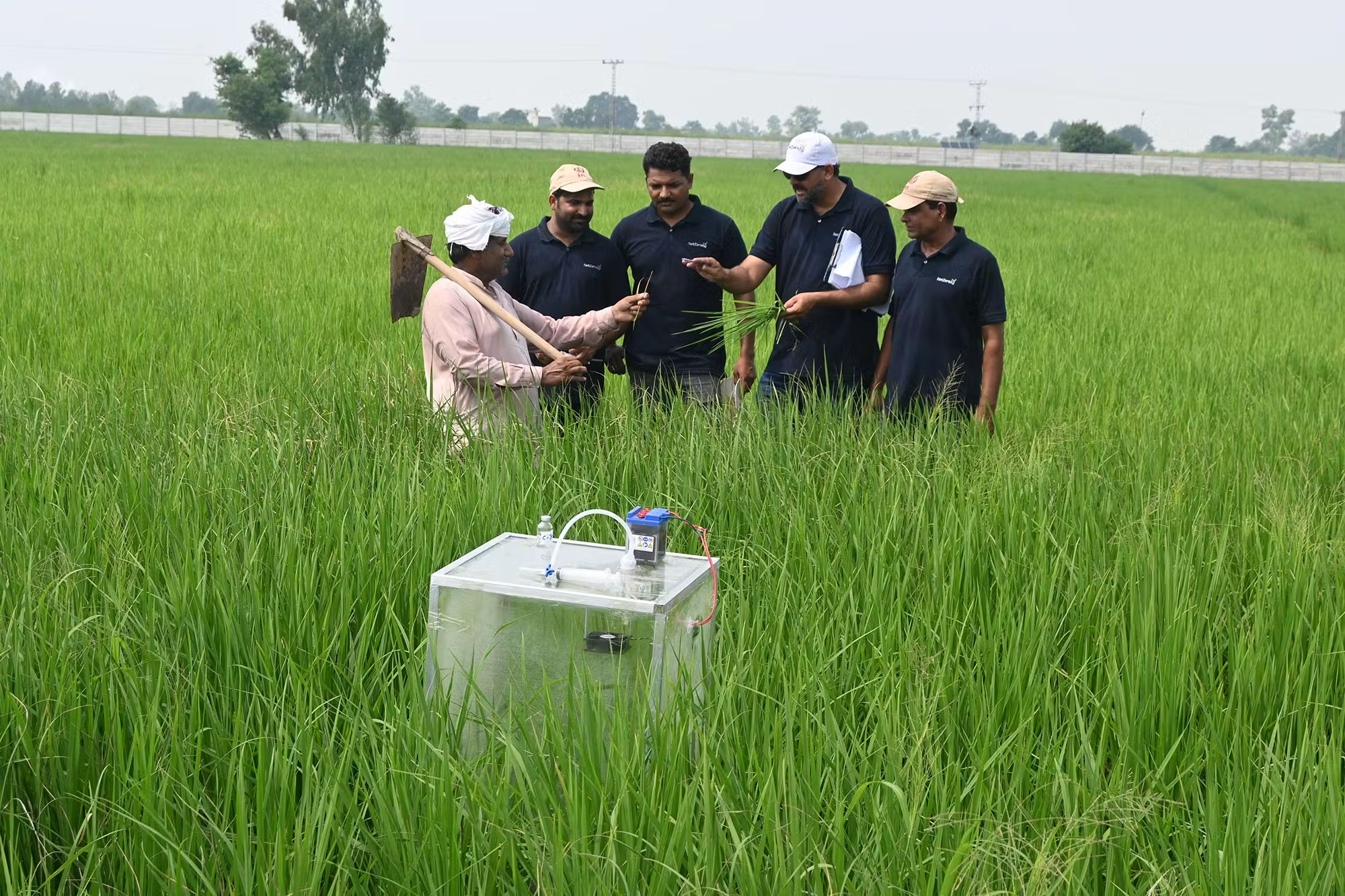
Rice feeds more than four billion people. It is one of the oldest and most essential crops in human civilisation. It is also, in its traditional form, a significant source of methane, a greenhouse gas with a warming potential 28 times greater than carbon dioxide.
Under continuous flooding, oxygen-depleted soils create the ideal conditions for methane-producing bacteria. Globally, rice cultivation accounts for around 14% of agricultural methane emissions, exceeding the total emissions of the aviation sector.
Pakistan’s smallholder rice farmers sit at the centre of this challenge. They are among the most exposed to climate risk, from catastrophic floods to unpredictable monsoons and rising temperatures. At the same time, traditional rice cultivation methods contribute to the emissions driving these impacts. Pakistan’s rice sector generates 7.83 million tonnes of CO₂ equivalent every year, the highest emission intensity per tonne of rice in South Asia.
The farmers are open to change. What has been missing is the right combination of incentives, knowledge and support to make it possible.
A scalable solution, enabled by carbon markets
NetZeroAg, through its local subsidiary Rice Partners Pvt Ltd, is built on a simple principle: smallholder farmers adopt sustainable practices when they deliver clear economic value.
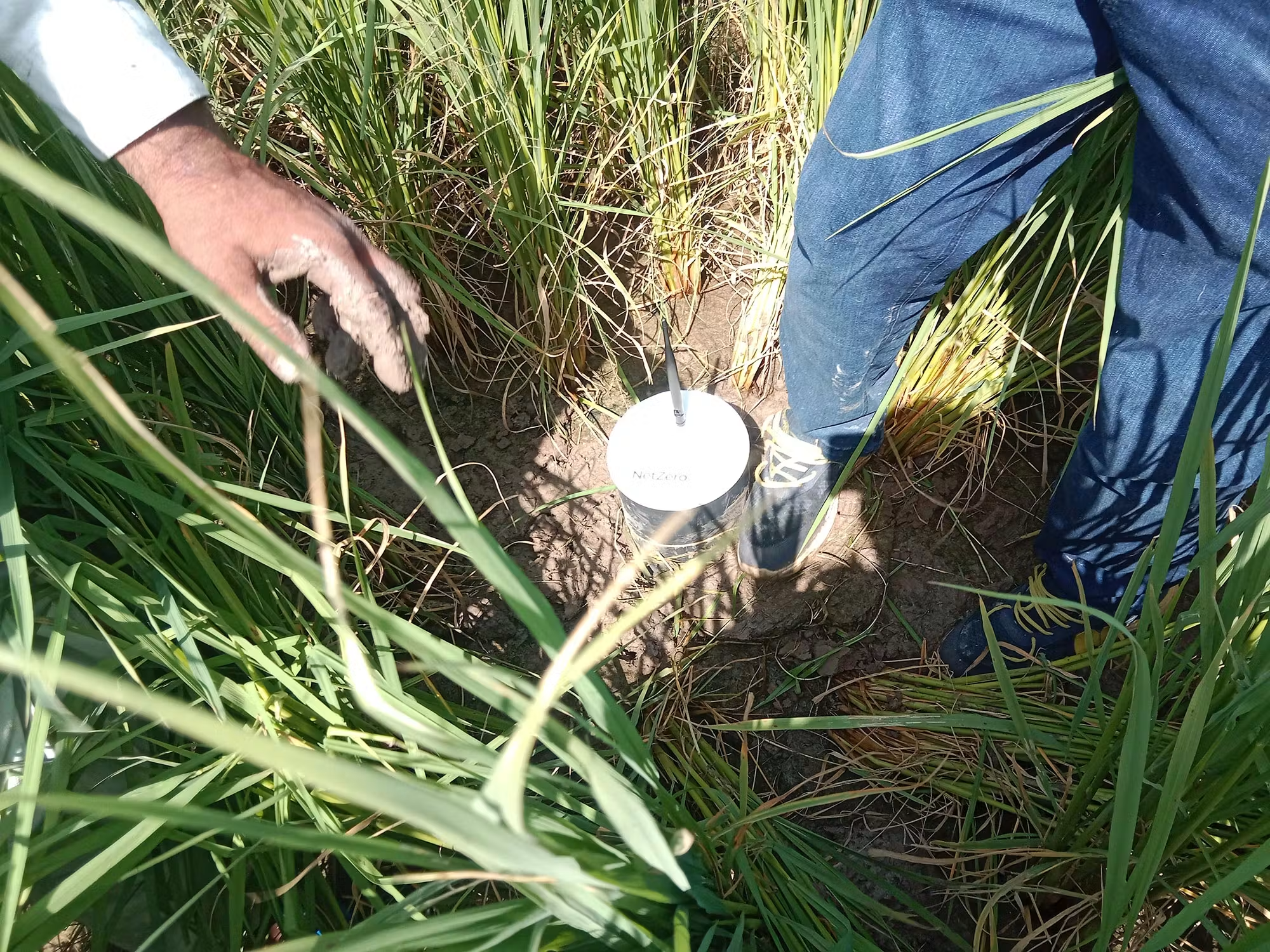
At the core of the project is AWD. Instead of keeping paddies permanently flooded, farmers periodically allow water levels to drop before re-irrigating. This approach maintains and can improve yields while disrupting methane formation and significantly reducing emissions and water use.
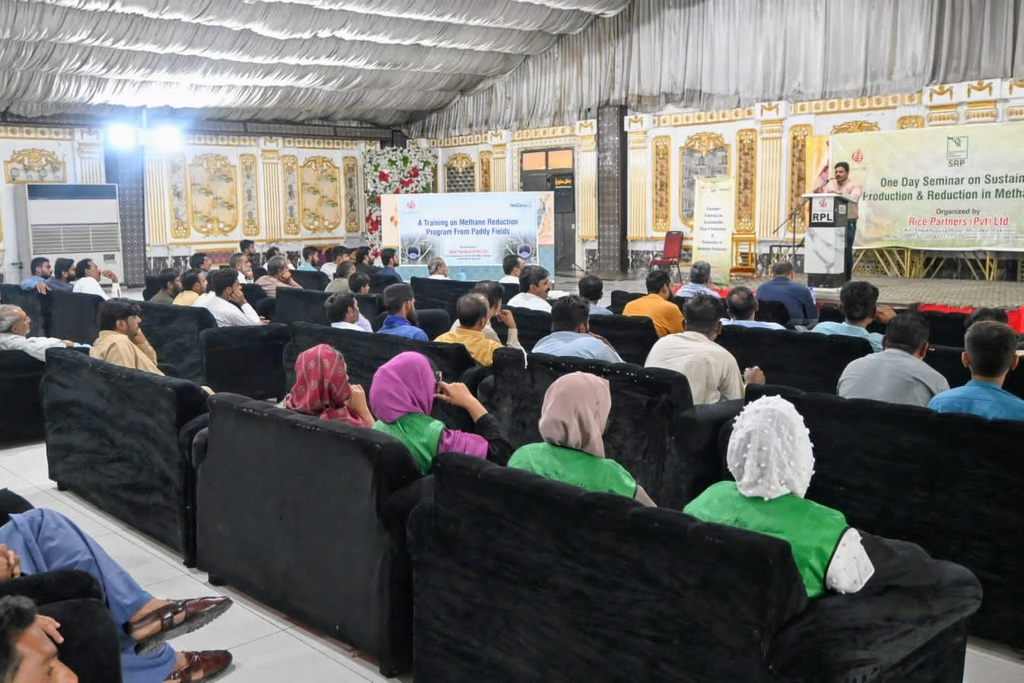
NetZeroAg provides participating farmers with hands-on training, field advisory visits, voice support, and a practical crop management guidebook. Through Gold Standard-certified carbon credits, the project generates a direct financial return for every tonne of emissions avoided, creating a new, performance-based income stream for farmers.
Other News
First Rice Methane Reduction Credits issued by Gold Standard
Empowering Farmers Through Sustainable Rice Production in Mandi Bahauddin
